What happens when you put journalists, content creators, and advocates in a room and hand them a menu to redesign? You get Shredded Shiitake Mushroom Tacos, a Glazed Marinated Portobello Sandwich, and a delicious dessert called the Tropicali Flan — made from kelp. More on that in a moment.
On July 8th, the Better Food Foundation led a Nudge Workshop on Storytelling and Narrative at Young People to the Front (YP2F) HQ in Los Angeles, serving as the pre-reception event for the Los Angeles Reporting Collective’s (LARC) Food Media Summit. I was joined by co-presenters Samantha Lau from Plant Based Treaty and Leah Kelly from the Center for Biological Diversity. The three of us collaborate on local Los Angeles food policy, plant-based defaults, and endorsements of the Plant Based Treaty. The room was full of journalists, filmmakers, and advocates — exactly the people with the power to shift what our Los Angeles culture believes about food.
“It was a rare and fruitful opportunity for those of us working in environmental advocacy to speak directly with local journalists and creators about why food sustainability matters and how we can improve the narrative around plant-forward eating in Los Angeles.”
– Leah Kelly, Center for Biological Diversity
The Narrative Problem
Choice architecture does the heavy lifting in food service settings — defaults, prime placement, subtle substitutions that make the best choice the easiest choice. But that’s only half the equation. The stories people encounter before they walk into a restaurant, during the meal, and after, on social media, in TV shows, and in the news, are what accelerate the shift and help normalize what’s on the plate. That’s where journalists, content creators, and creatives come in.
Animal agriculture accounts for over 16.5% of global greenhouse gas emissions; a single burger requires more than 800 gallons of water; and increasing plant-rich diets are among the most effective climate solutions.
And yet plant-based food still carries a cultural image problem: restrictive, expensive, joyless. Three behavioral science concepts explain why.
- Loss Aversion — Implies that losses loom larger than gains. People fear losing the taste, comfort, and familiarity of animal-based foods more than they desire the benefits of changing.
- Pluralistic Ignorance — There is a fundamental disconnect between what individuals secretly believe and what they assume others believe. (The “Emperor’s New Clothes” Effect.) Most people privately support a shift in the food system but assume they’re in the minority, so the old norm holds. (Definition:
- Cognitive Dissonance — The discomfort you feel when your actions and beliefs don’t match. People deal with cognitive dissonance by trying to justify or rationalize their actions. Experiencing guilt or regret can be a sign of cognitive dissonance. “I only buy local” sits right next to “I could never give up cheese.” A good narrative doesn’t shame that contradiction. It gives people a graceful path through it.
Storytelling as a Nudge
Stories are a behavior change infrastructure. Narrative drives emotional engagement, memory, and social connection in ways facts alone never will. We covered the key framing strategies: lead with identity, not ideology; tell positive and whimsical stories; avoid the “vegan/vegetarian” identity trap that triggers resistance; and trust trusted messengers to carry the message to their own communities.
Let the Food Tell the Story: The Top 5 Nudges
This is where we got practical. We introduced the Top 5 Nudge Strategies for food settings, from plant-based defaults and climate-friendly ratos, to prime placement, subtle substitutions, and tasty titles. The goal: make the best food choice the easiest choice, without removing options or preaching.
The Interactivity: Redesigning Menus
After the presentation, we broke the audience into three groups for a hands-on menu redesign challenge. We asked the participants to redesign a menu using the Top 5 Nudges they just learned about.
The results spoke for themselves:
- Super Crispy Salt & Pepper Onion Rings
- Glazed Marinated Portobello Sandwich
- BBQ Jackfruit Wrap
- Shredded Shiitake Mushroom Tacos
- Tropicali Flan (made from kelp)
- Sizzlin’ Seitan Strips
Not one of those names mentions “plant-based.” They don’t need to. Flavor first, impact second — that’s the nudge. We handed out prizes to the top creators of the “Tasty Titles.”
The Reception
After the workshop, we joined the attendees for the LARC x YP2F Reception, with bites from Beyond Meat (sausage, meatballs), veggies, chips, salsa, and a first taste of the new Beyond Protein Drinks, packed with protein and fiber. Delicious, and a fitting close to an evening about letting food make the argument.
Join Us
The journalists, content creators, and communicators in that room are the ones who write the scripts and shape the headlines that determine what billions of people believe is normal. Behavioral science gives them sharper tools.
Ready to add narrative science to your food storytelling practice?
Join a free Nudge 2.0 Training offered online monthly for free. Spots are limited, register soon!
Thank you to Samantha Lau from the Plant Based Treaty and Leah Kelly from the Center for Biological Diversity. And to our hosts: Jamie Maloney and Ari Saperstein from the Los Angeles Reporting Collective, Robin Petering, and the entire team at Young People to the Front.

Juli Schulz, Samantha Lau, and Leah Kelly co-presenting Nudge Workshop at LARC x YP2F Reception Los Angeles.
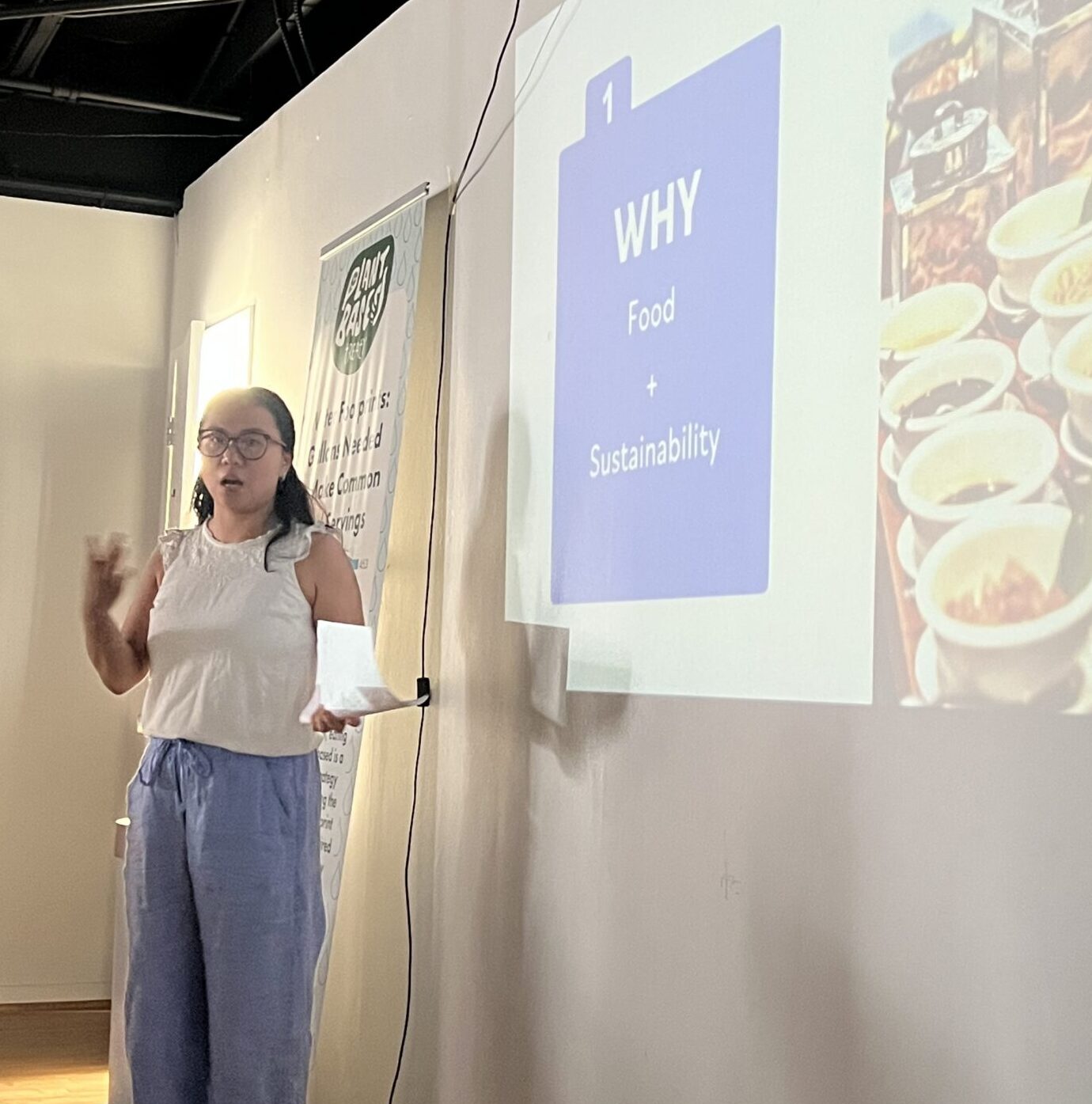
Leah introducing the sustainability and food systems connections.

Samantha explaining the definition of a plant-rich diet.
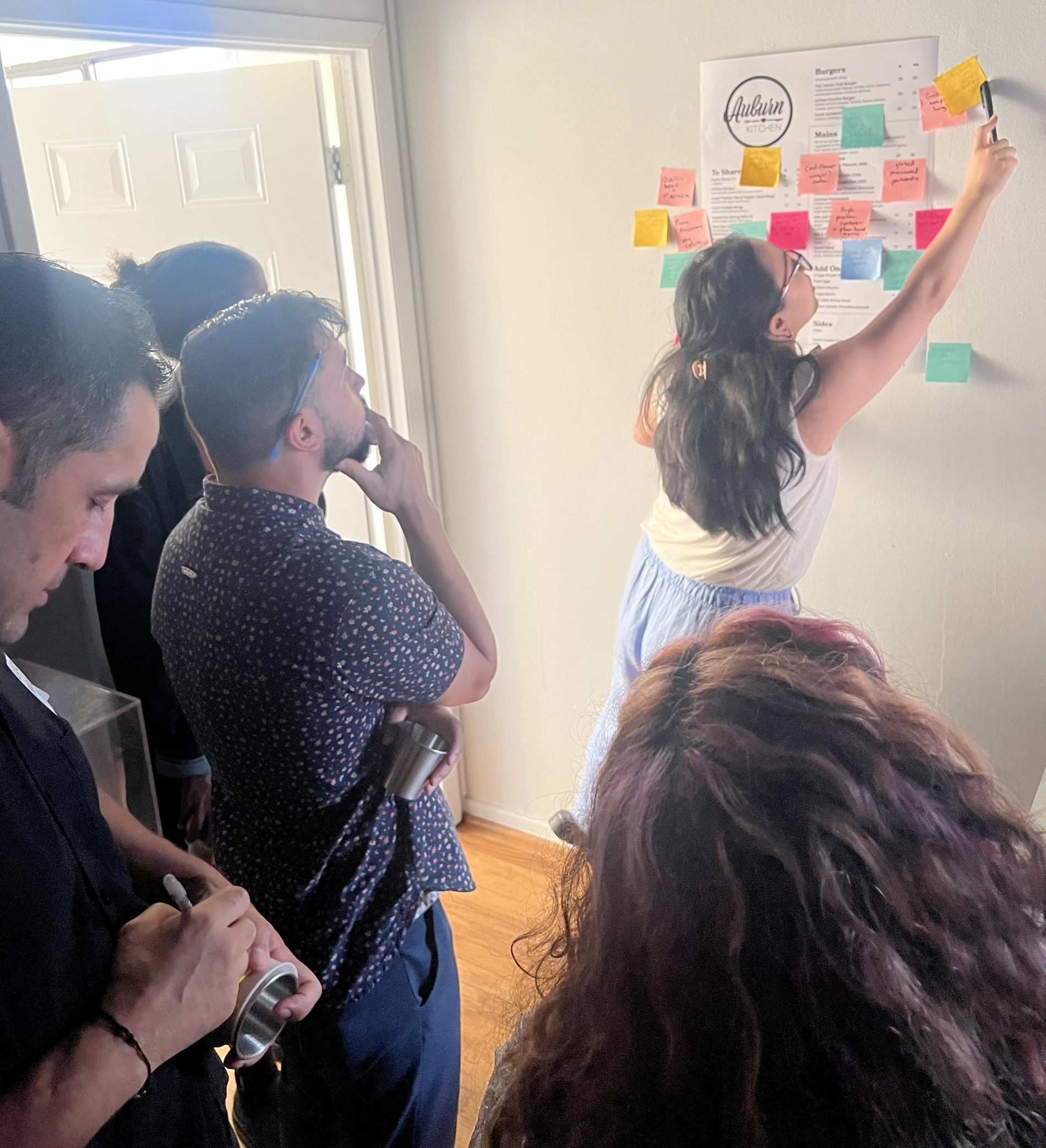
Participants redesigning a menu using plant-based nudge strategies a Nudge workshop.

Menu redesigning group #3.

Results from menu redesigning, team #1.
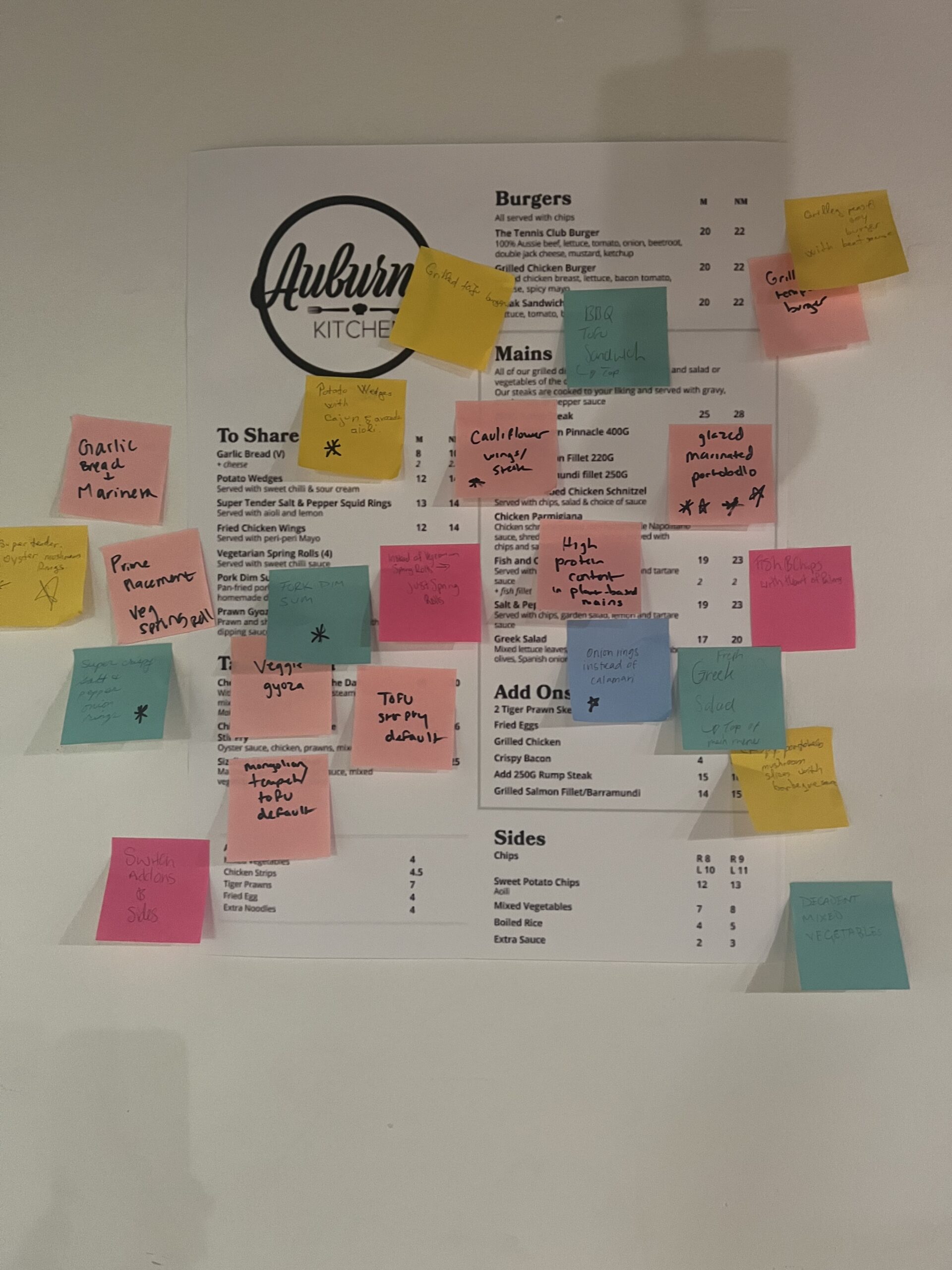
Team #2 menu redesign results.
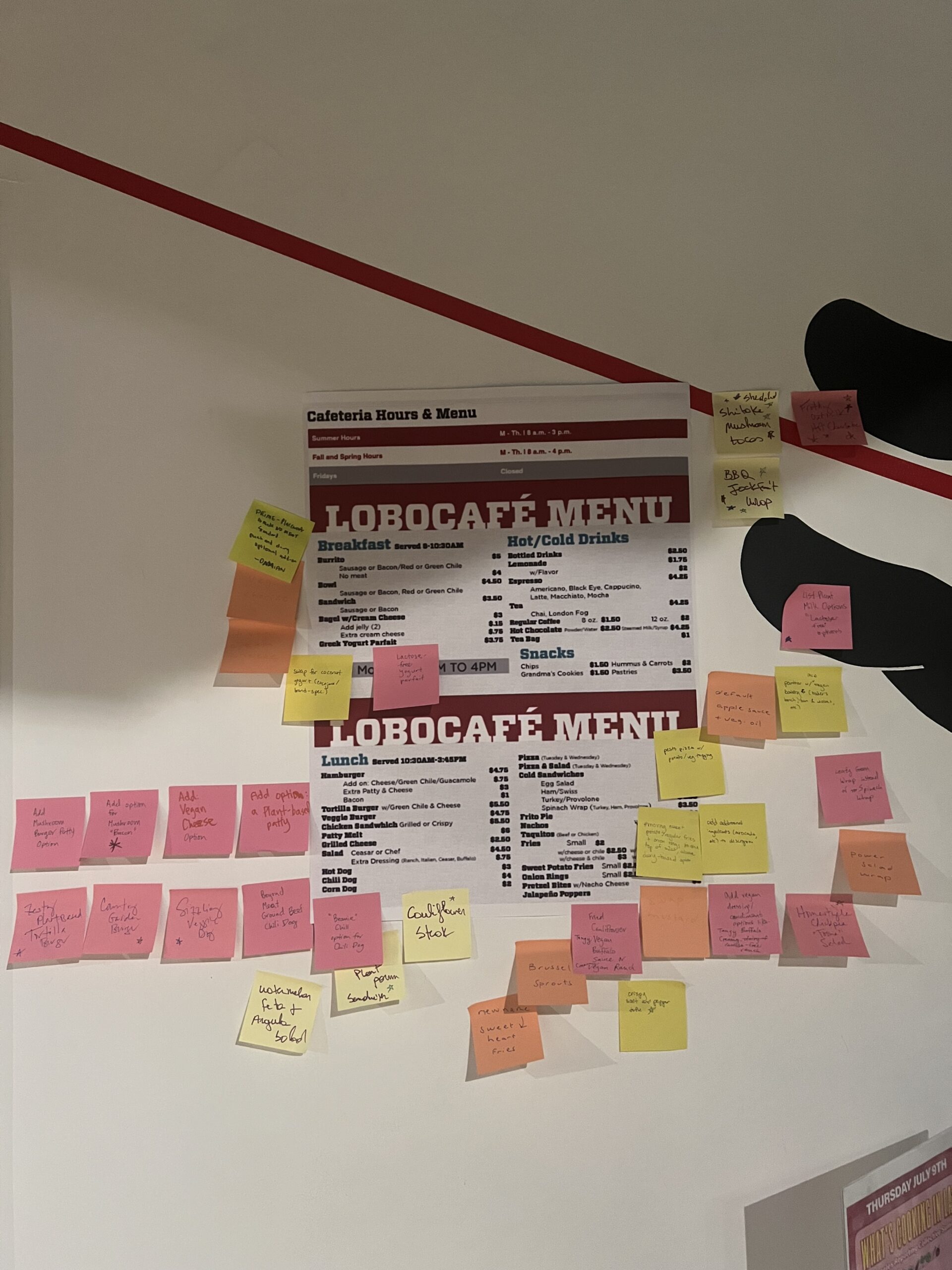
Team #3 menu redesign results.
Latest News
See All News39 Campus Wins for Student-Led Plant-Based Nudges & Defaults
Sixty-five students, two semesters each, 39 changes to how campus food gets served. Here’s what the first year-long DefaultVeg 2025-26 cohort accomplished. And the next 90 interns start this Fall.
5 Takeaways on Plant-Based Campus Dining from NACUFS 2026
Five takeaways from our panel and the conference floor, on why the values-behavior gap is a design problem and what students actually order when you get it right.
Storytelling as Climate Strategy: Nudge Workshop with LARC & YP2F
Shredded Shiitake Mushroom Tacos. BBQ Jackfruit Wrap. Tropicali Flan made from kelp. Here’s what happened when BFF brought behavioral science to LA journalists at LARC x YP2F.